Hip Hip Hooray - Completing 20 years in 2020, Hip Hip Hurray definitely finds itself in the list of some of the most brilliantly written shows in the history of Indian television. Set up in DeNobille High School of Mumbai, the show brought to life a bunch of 12th grade students, we all effortlessly saw ourselves in. After having binge watched the show last weekend, I myself couldn’t refrain from being a small part of the huge group of fanatics the shows credits itself to. Here is my dissection of it!
The characters of the school students were based on different archetypes, or prototypes of common personalities that have existed long in the society. There was a an rebel in Piya, a lover in Alisha, an explorer in Rafey, sage in Mona, jester in George and Cyrus, an innocent in Meera, a ruler in Raghav and a caregiver in Mazhar. Archetypes have been popularly used by brands to build a strong association with their consumers.
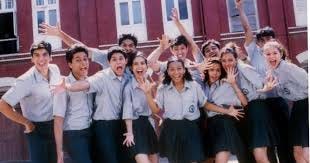
The format was structured in a way to highlight the personality trait of each archetype in a couple of episodes and gradually impress the characters’ sketch amongst the audience. With these well pen pictured diverse characters, the show was able to appeal to multiple psychographic segments and broaden its spectator base. And with each episode of the 75 in the run, the show did full justice to its ensemble cast (which is a rarity in Indian media content). A variety of issues concerning each personality type allowed the writer to hook the audience with a fresh plot in every other episode. The writers uncovered topics of mental health, drug addiction with the help of its rebels, it highlighted the pressure to excel through its ruler and sage, and friendship and romance through the lover and the caregiver. The jesters were strategically used to keep the mood light while the story line meandered through some serious issues.
The accurate portrayal of these archetypes would not have been successful had it not been for the perfect casting of the show. Interestingly some character names were the same as the real names of the actors, and as the show progressed there would be little difference spotted between the both otherwise as well. Such was the character impression, some actors even got stereotyped as the personality type they portrayed in the show. Vishal, for example, is known to have played at least a dozen funny comic like character in most of this works. It went on to define the career of its newcomer cast, and most of them are recalled by their screen names even today.
Another key factor for its success was its particularly articulate depiction of progressive values, attitude and lifestyle of the characters that were aspired by many in the target audience. This was done through meticulously covering various activities, likes, dislikes, habits, trends indulged by this target segment in the plot setting of each episode. We were taken to a camp site, a prom night, to examination settings and drawing competition, canteen scenes to house gatherings and much more. The show also did not shy away from content that might have been ahead of its time back then. It showed an unmarried couple living together to teenagers indulging in casual dating, students taking up part time jobs and unconventional career path. In the mid 90s, the young metropolitan audience was already getting introduced to the western content and being influenced by it. They were yearning for an Indian screen character as the new modern moral compass to speak for their changing perspectives. And here we had, Vinay Pathak, as Yadav sir, the most understanding teacher -come-friend as the anchor holding together the script both as an actor and writer of the show.
Finally, what clicked the most was the utmost genuine and honest bond that we saw between the characters. The friendship and chemistry can be seen even outside the screen as the actors speak about the show in a few reunion collaborations. YouTube is flooded with such videos, the fans of the show have managed to keep alive and I also recommend not to miss them after the show refills you with nostalgia!

No comments:
Post a Comment